


The owner said it in a meeting with the three of us.
What a great idea he had.
I sat there and nodded.
A week later, at an all-hands meeting, the employee stood up and publicly thanked him for the opportunity.
I sat there and nodded again.
That was 2005. I had been GM for less than a year. And I had just learned something about small companies that I thought I had left behind.
Years earlier, when I was considering joining the company, the owner had looked me in the eye and told me we were a small group. That I wouldn’t have to deal with that kind of thing here. No politics. No credit games. Just work.
I believe he meant it. I believe he still thinks that’s what he built.
What neither of us knew was that his most trusted advisor of twenty years had a different understanding of how credit worked.
No politics. No credit games. Just work.
That belief is what made it possible.
What I Handed Over
A few months into the GM role, I identified a gap.
We needed a new management position.
I analyzed the situation. Documented the need. Defined the role. Cost justified it. Built the whole case.
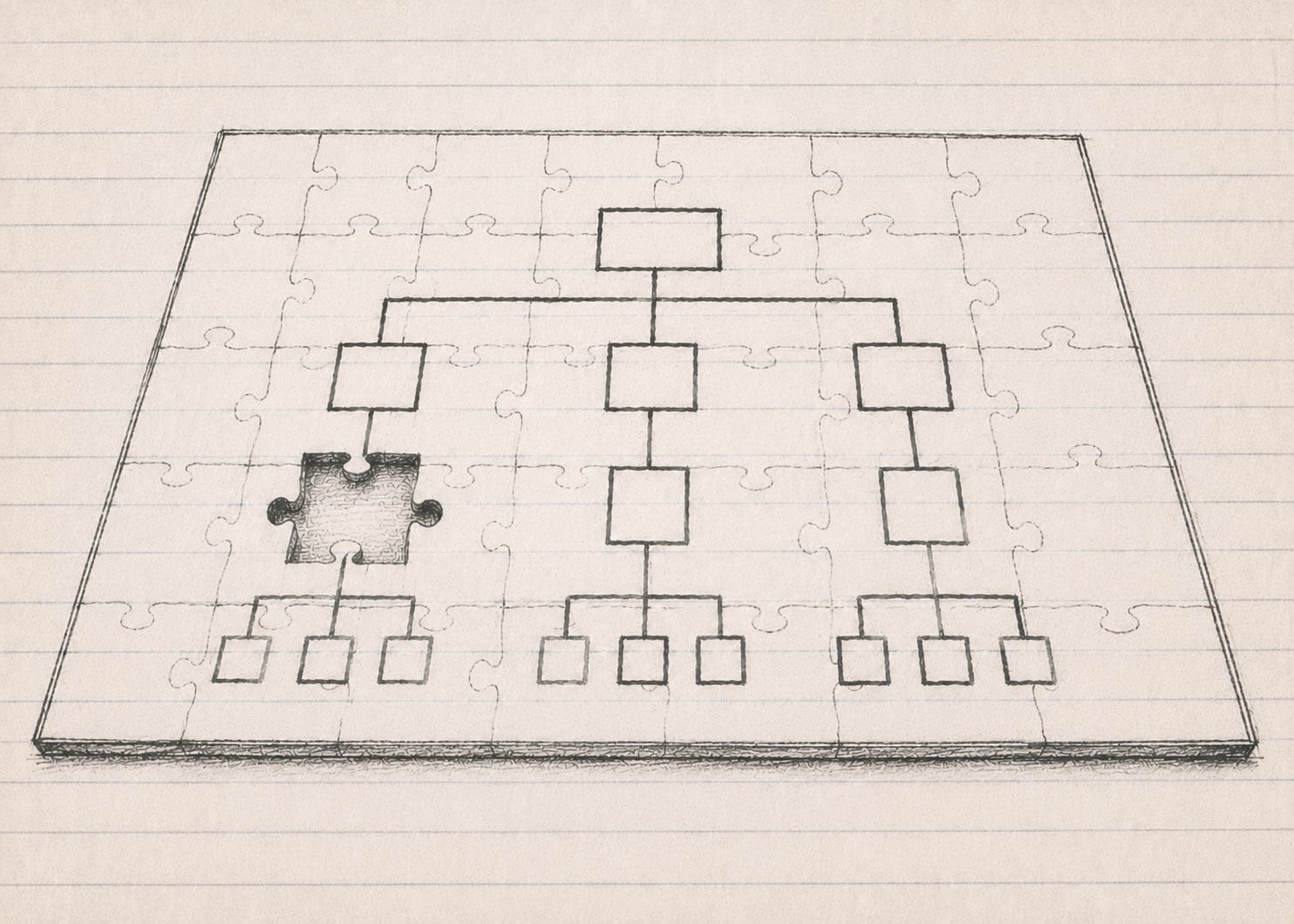
Then I walked my VP through it.
Not just the paper.
The thinking.
The reasoning.
The language.
Small company. Informal culture. Lots of conversation.
I gave him all of it.
He said it was a great idea. Said we’d get a meeting with the owner and pitch it together.
I had to be at our other office the next morning. A hundred miles away. We planned to meet that afternoon when I got back.
Halfway home the next day he called.
Greenlight.
We had the meeting.
By the time I walked back into the office, it was already done.
He came in. Shut the door.
“It’s done.”
Matter of fact. What’s done is done.
I didn’t ask questions.
I found out later it had been pitched as his idea.
Whether that was intentional or not stopped mattering pretty quickly.
And what a great idea it was.
What’s done is done.
The Pattern
This is not a story about one VP at one company.
This is a story about what happens when someone with status, reach, or credibility shows up and tells you that what you’ve built matters.
The guard comes down.
Not because you’re naive.
Because you’re human.
Because decades of delivering value inside systems that rarely said thank you left a question underneath everything.
Is this actually worth something?
Not to the company.
Not to the client.
To me.
So when someone shows up and confirms it, you open the door.
You give access.
Not just to the work.
To the thinking.
The frameworks.
The hard-won reasoning that took years to develop.
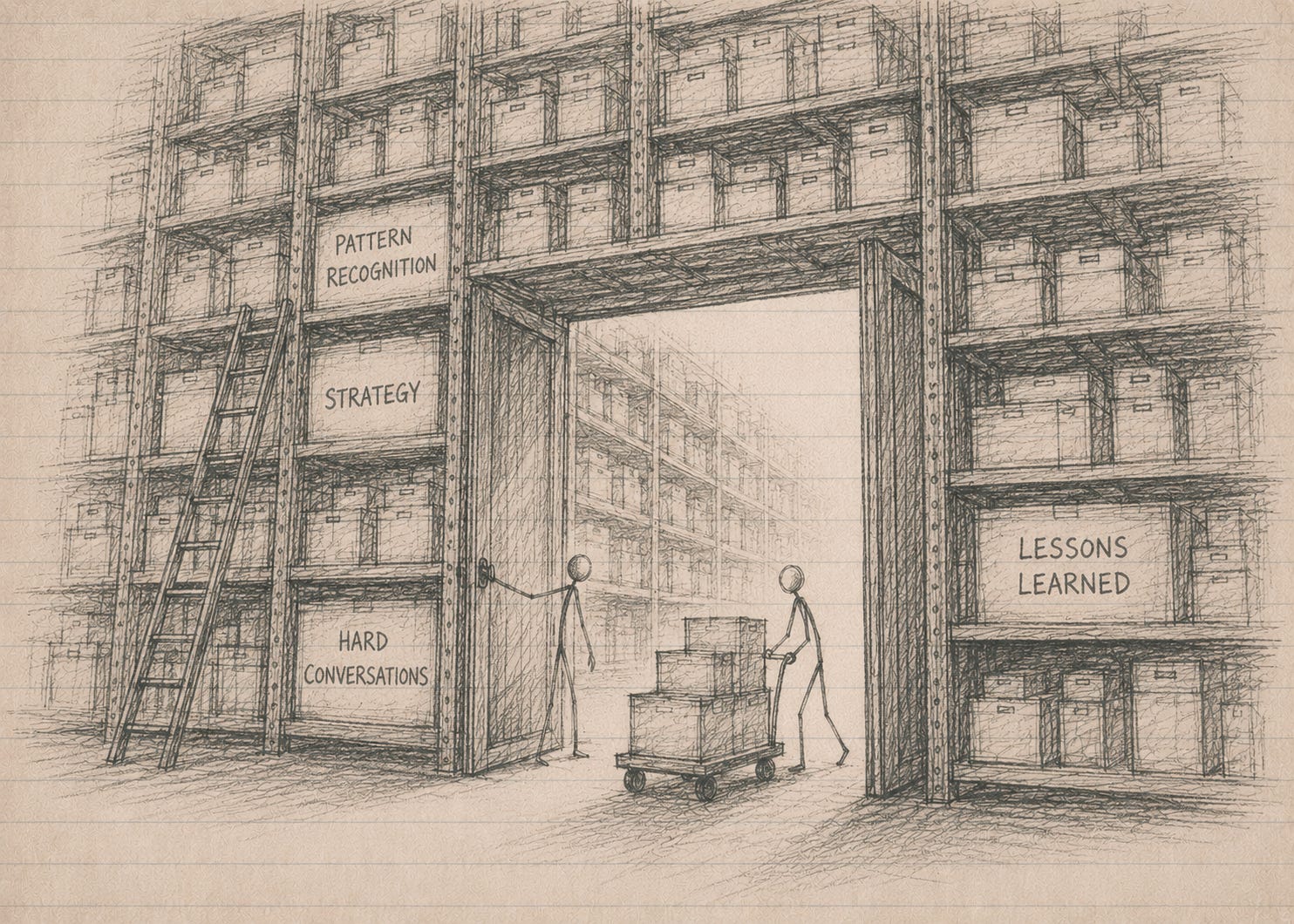
You give it because the exchange feels equal.
Because the relationship feels real.
Because being seen feels like being valued.
The guard comes down.
Then the engagement cools.
The enthusiasm fades.
The person who needed everything you had to offer suddenly needs very little of you specifically.
You’ve been downloaded.
What It Actually Costs
The idea wasn’t the expensive part.
The expensive part was what you needed from that person in order to hand it over so completely.
You needed to believe the room was safe.
You needed someone you respected to confirm that your thinking was worth something.
You trusted their approval more than your own judgment.
That is the access tax.
Not the idea.
Not the framework.
Not the decades of experience compressed into a document, a conversation, or a closed-door meeting that felt collaborative and cost you more than you realized.
The tax is paid on the approval you needed before you trusted yourself.
What You Do With It
At some point, you stop asking whether you were right about what happened.
You already know.
The question becomes why you waited.
And the honest answer is that closing the door meant accepting something you weren’t ready to accept.
That the validation was never the point.
That the room wasn’t different after all.
That the version of you that needed their confirmation to feel legitimate had been making decisions the version of you that knows better would never make.
That one stings.
Because it’s easier to blame the person who took advantage of access than it is to admit how badly you wanted to be seen.
You can’t protect what’s already been given away.
You can only protect what’s still coming.
The next idea.
The next framework.
The next version of the thinking that hasn’t been built yet.
Closing the door doesn’t undo anything.
It just stops the bleeding.
The CTRL Lens
Most people think exploitation starts when someone takes advantage of them.
It usually starts earlier.
The moment you decide someone else’s opinion matters more than your own.
That’s the real opening.
Not the meeting.
Not the conversation.
Not the partnership.
The need.
The need to be seen.
The need to be chosen.
The need for someone with status, authority, or credibility to confirm what you already know.
Once that happens, the door is already unlocked.
The theft is just a consequence.
The approval was the transaction.
When was the last time you let someone in because they made you feel seen?
And how much did that cost you?
The Access Tax isn’t what they take.
It’s what you pay before they do.
CTRL:C
If this was worth your time, three ways to say so.
Forward this to someone who has ever been downloaded.
Have you ever paid the access tax?
Inside the CTRL Vault, paid subscribers get the deeper frameworks behind the stories.
Thanks for reading.
~ JP
—
Related:
Clarity doesn't comfort you. It indicts you.

CTRL Signals by JP Bristol
Clarity. Tenacity. Reinvention. Legacy
JP, I think most of us in the business world at some time have had a higher-up take credit for something that was your idea.
The best leaders are self-confident enough to give credit where credit is due. I always did that for my people and let them shine.
Plainly written yet penetrating and effective. Thank you for your leadership perspective and insights on the kind of orientation we should all have.